
Is There a Record of You Shopping at a Dispensary?
Yes, there is a record of your dispensary purchases. Dispensaries track your ID scans and transactions, often using digital systems, and may share data with regulators as required by law. This record is generally not public and does not appear on standard background checks.
Is there a record of you shopping at a dispensary?
Yes, there is a record of your dispensary purchases. When you visit a licensed dispensary like Farmer's Choice in Fishkill, your ID is scanned and your transactions are logged. This is not a public record—it's part of the regulatory system that tracks cannabis sales for legal compliance.
Dispensaries use point-of-sale (POS) software and seed-to-sale tracking systems to record every sale. This data includes what you bought, how much, and when. The purpose is to ensure compliance with New York's Marijuana Regulation and Taxation Act (MRTA) and to monitor purchase limits. The record is not a government database of consumers, but regulators like the New York State Office of Cannabis Management (OCM) can access it during audits or investigations.
Your shopping history is not something a typical person can look up. It's not public, and it doesn't show up on standard background checks. However, law enforcement with a warrant or subpoena could potentially access dispensary records. For most people, your dispensary visits are private—but they are recorded.
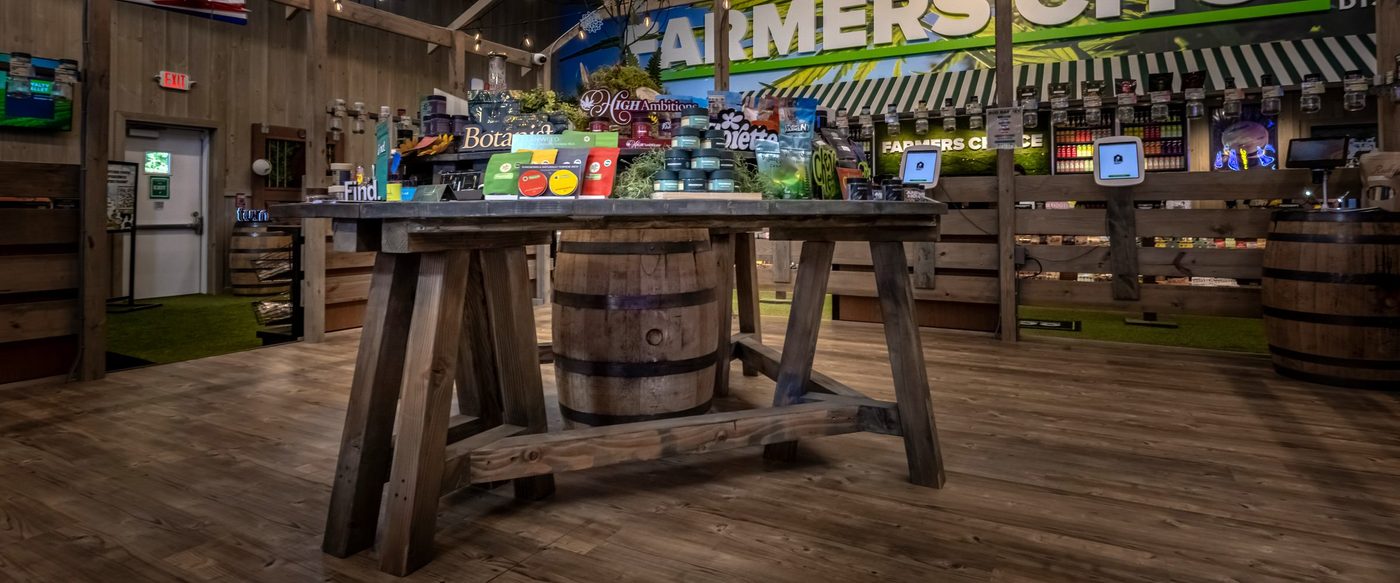

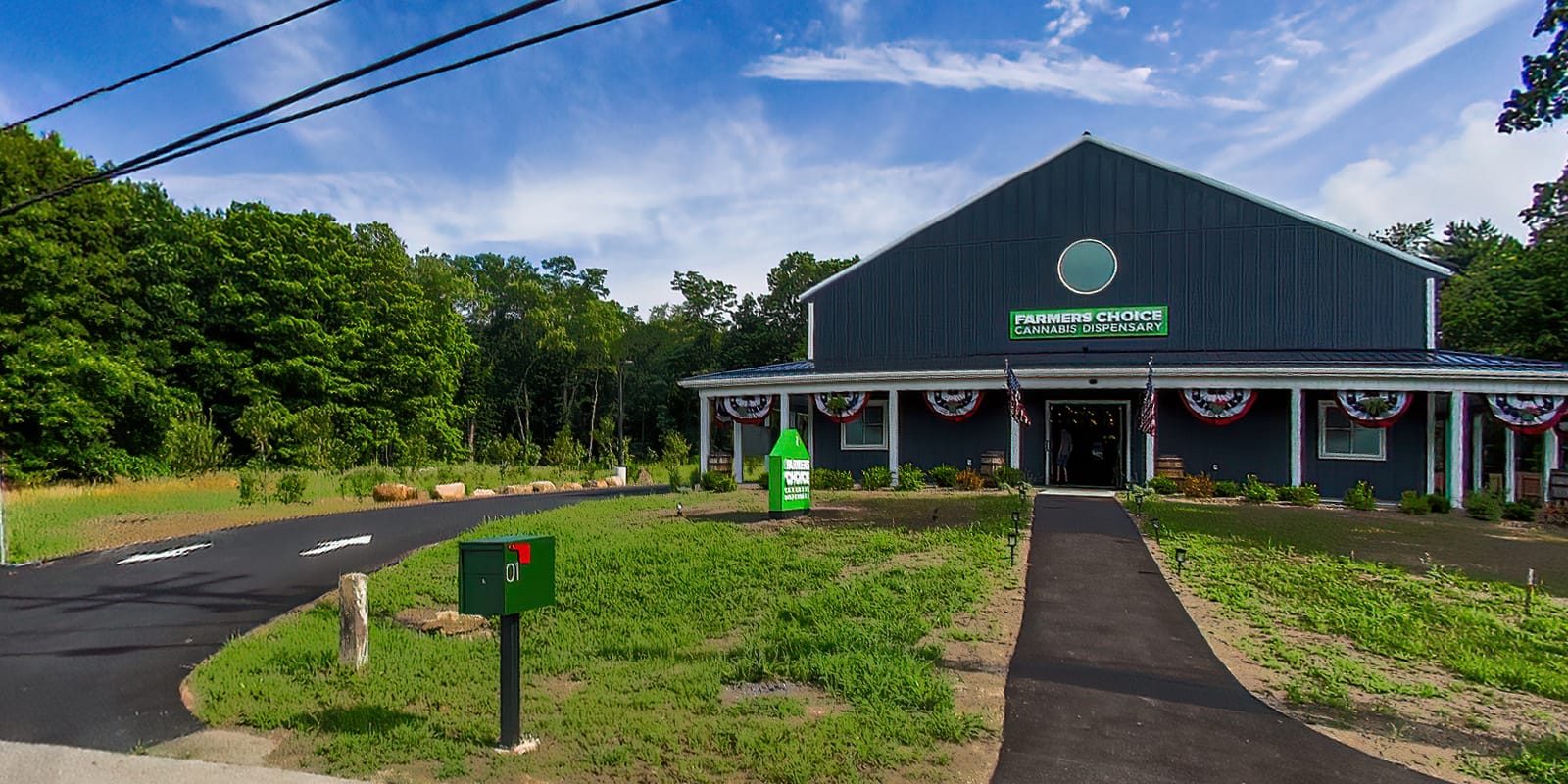
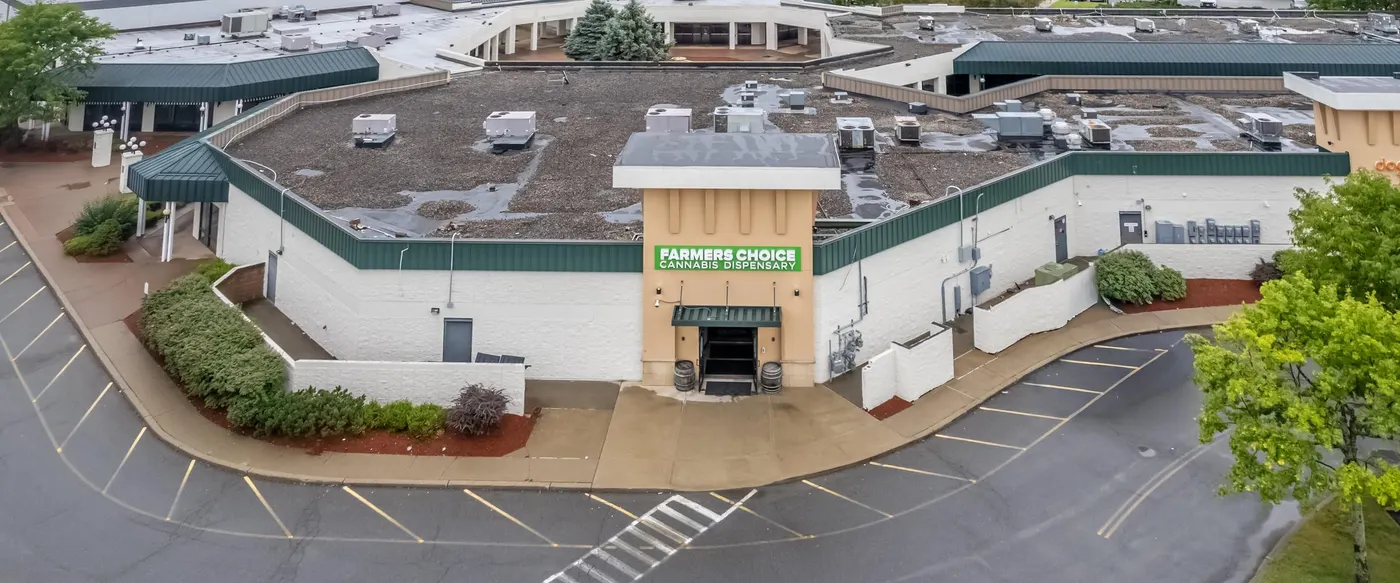

Who can see your dispensary purchase history?
Your dispensary purchase history is visible to the dispensary itself and, in limited cases, to regulators and law enforcement. Dispensaries like Farmer's Choice maintain records as required by law, but they do not share your information with employers, landlords, or the general public.
Government agencies, such as the New York OCM, can access dispensary records for compliance checks. Police may obtain records with a warrant or subpoena. However, there is no public database where anyone can look up your purchases. In Ohio, for example, dispensaries share data with the state's patient registry, but that's for medical marijuana—recreational purchases are not public.
Employers do not have access to your dispensary history unless they are law enforcement or you give them permission. Background checks for jobs do not include cannabis purchase records. So, while your purchases are recorded, they are not widely accessible.
How to verify a dispensary is legitimate
To ensure you're shopping at a licensed dispensary that follows privacy and record-keeping laws, use this checklist:
- Check the license – Look for a valid license number from the New York OCM, displayed in the store or on their website.
- Use the NY Cannabis Verification Tool – Enter the dispensary's name or license number to confirm they are authorized to sell cannabis.
- Look for lab-tested products – Legitimate dispensaries sell products that have been tested by licensed labs, with labels showing potency and contaminants.
- Ask about ID scanning – A reputable dispensary will explain why they scan your ID and how they use the data.
- Review their policies – Legit dispensaries have clear privacy policies and follow state regulations on record-keeping.
Why do dispensaries scan your ID?
- Age verification – Dispensaries must confirm you are 21 or older. Scanning your ID is faster and more accurate than a visual check.
- Compliance with state law – New York requires dispensaries to track purchases to enforce purchase limits, like the 3-ounce limit for flower. Scanning your ID links your purchases to your profile.
- Record-keeping – Your ID scan creates a record that includes your name, date of birth, and sometimes your address. This is stored in the dispensary's system.
- Security – ID scans help prevent fraud and underage sales. Some systems, like IDScan.net, verify that the ID is valid and not expired.
- Data retention – The dispensary keeps these records for a period required by law, usually several years, to comply with audits.
Directions to our cannabis dispensary in Fishkill from Merritt Park, New York
Start at Merritt Park, New York and head to Farmer's Choice at 18 Westage Drive, Fishkill, NY 12524.
Find a licensed dispensary near Fishkill, NY
- Search for licensed dispensaries – Use the NY OCM Cannabis Verification Tool to find dispensaries near Fishkill, Poughkeepsie, or Beacon.
- Check hours and location – Farmer's Choice is at 18 Westage Drive, Fishkill, NY 12524, open Sun–Wed 8 AM–10 PM and Thu–Sat 8 AM–11 PM. Call 845-440-3647 for directions.
- Order online for pickup – Visit our website, select your products, and choose pickup. Orders are usually ready within the hour.
- Visit the store – Bring a valid government-issued photo ID. Our Farm Hands will help you with zero pressure.
What are the purchase limits at a New York dispensary?
| Product Type | Purchase Limit | How It's Tracked |
|---|---|---|
| Flower | 3 ounces | Scanned at point of sale |
| Concentrates | 24 grams | Tracked by weight |
| Edibles | Up to 800 mg THC | Counted per package |
| Pre-rolls | Varies by weight | Counted per unit |
| Vaporizers | Varies by THC content | Tracked per device |
These limits are set by New York state and are tracked by the dispensary's POS system. Your purchases are recorded to ensure you don't exceed the legal amount.
How long do dispensaries keep your records?
| Record Type | Retention Period | Reason |
|---|---|---|
| ID scans | Varies, often 2–5 years | Compliance with state regulations |
| Transaction logs | At least 3 years | Audit readiness |
| Inventory records | Varies, often 3–5 years | Seed-to-sale tracking |
| Customer data | As long as required by law | Legal and regulatory requirements |
Dispensaries must keep records for a period set by state law, typically several years. After that, they may be destroyed. Your data is not kept indefinitely.
Does a dispensary visit show up on a background check?
No, a standard background check does not include your dispensary visits or purchase history. Background checks for employment typically look at criminal records, credit history, and sometimes driving records. They do not access dispensary records.
Law enforcement may obtain your purchase history with a warrant or subpoena, but that is not part of a routine background check. If you are concerned about a specific situation, such as a government security clearance, consult with a legal professional. In general, your dispensary visits are private.
For details on services and visits, see the main page about cannabis dispensary fishkill.
Sources
Also asked as
- Do dispensaries keep a record of who buys weed?
- Is there a database of dispensary customers?
- Can my employer see my dispensary purchases?
Frequently asked questions
Do dispensaries scan your ID or just look at it?
Most dispensaries scan your ID to verify age and track purchases. Scanning is faster and more accurate than a visual check, and it creates a digital record. Some may just look at it, but scanning is common.
Do dispensaries share information with the government in Ohio?
In Ohio, medical marijuana dispensaries share patient data with the state's patient registry. For recreational purchases, dispensaries are required to track sales but do not share personal information with the government unless required by law.
How many times can you go to the dispensary?
There is no limit on how often you can visit a dispensary in New York. However, you cannot exceed the legal purchase limits per transaction. The dispensary tracks your purchases to ensure you stay within the allowed amounts.
Are dispensary purchases tracked?
Yes, dispensary purchases are tracked by the dispensary using point-of-sale systems and seed-to-sale tracking. This is for regulatory compliance and to enforce purchase limits. The data is not public and is not shared with employers.
Can the government see if I went to a dispensary?
The government can see your dispensary visits if they have a legitimate legal reason, such as a warrant or subpoena. Otherwise, dispensary records are not publicly accessible. Regulators may access them during audits.