
Who Should Avoid Taking CBD? A Safety Guide
Avoid CBD if you are pregnant or breastfeeding, have liver disease, or take medications like blood thinners, sedatives, or seizure drugs. Always consult your doctor before using CBD, especially if you have health conditions or take prescription medications.
Which Medications Should You Avoid Taking with CBD?
CBD can interfere with how your body processes certain drugs, potentially making them stronger or weaker. The most significant interactions involve medications that are broken down by the liver's CYP450 enzyme system.
| Medication Type | Examples | Potential Interaction |
|---|---|---|
| Blood thinners | Warfarin, Eliquis | CBD can increase the blood-thinning effect, raising bleeding risk. |
| Sedatives | Benzodiazepines, sleep aids | CBD may enhance drowsiness and sedation. |
| Seizure medications | Clobazam, valproate | CBD can alter drug levels, requiring dose adjustments. |
| Thyroid treatments | Levothyroxine | CBD may affect thyroid hormone levels. |
| Heart rhythm drugs | Amiodarone | CBD could increase the risk of heart rhythm problems. |
| Antidepressants | SSRIs, SNRIs | CBD may increase side effects like nausea or drowsiness. |
If you take any prescription medication, talk to your doctor or pharmacist before using CBD. They can check for interactions and help you decide if CBD is safe for you.




What Are the Downsides and Side Effects of CBD?
CBD is generally well-tolerated, but it can cause side effects, especially at higher doses. Here are the most common downsides:
- Drowsiness: CBD can make you feel sleepy, especially when combined with other sedatives.
- Dry mouth: A common effect that can be managed by staying hydrated.
- Low blood pressure: CBD may cause a temporary drop in blood pressure, leading to lightheadedness.
- Diarrhea: Some people experience digestive upset, particularly with edibles.
- Appetite changes: CBD can either increase or decrease appetite.
- Liver enzyme changes: High doses may affect liver function, so monitoring is advised.
Should Pregnant or Breastfeeding Women Avoid CBD?
Health experts advise against using CBD during pregnancy or while breastfeeding. Here's what you need to know:
- Avoid during pregnancy: CBD can cross the placenta and may affect fetal development.
- Avoid while breastfeeding: CBD can pass into breast milk and may harm the baby.
- No safe dose established: There is no known safe amount of CBD for pregnant or nursing women.
- Talk to your doctor: If you're considering CBD for any reason, discuss it with your healthcare provider first.
Who Should Avoid Taking CBD? A Quick Guide
A good fit if…
- You are a healthy adult not taking any prescription medications.
- You have no liver or kidney conditions.
- You are not pregnant or breastfeeding.
- You have consulted with your doctor about potential interactions.
Consider another option if…
- You are pregnant, planning to become pregnant, or breastfeeding.
- You take blood thinners, sedatives, or seizure medications.
- You have liver disease or elevated liver enzymes.
- You are an adolescent or under 21 years old.
If you fall into any of these categories, it's best to avoid CBD unless your doctor specifically recommends it. When in doubt, err on the side of caution and seek professional advice.
Directions to our cannabis dispensary in Fishkill from Matteawan State Hospital for the Criminally Insane
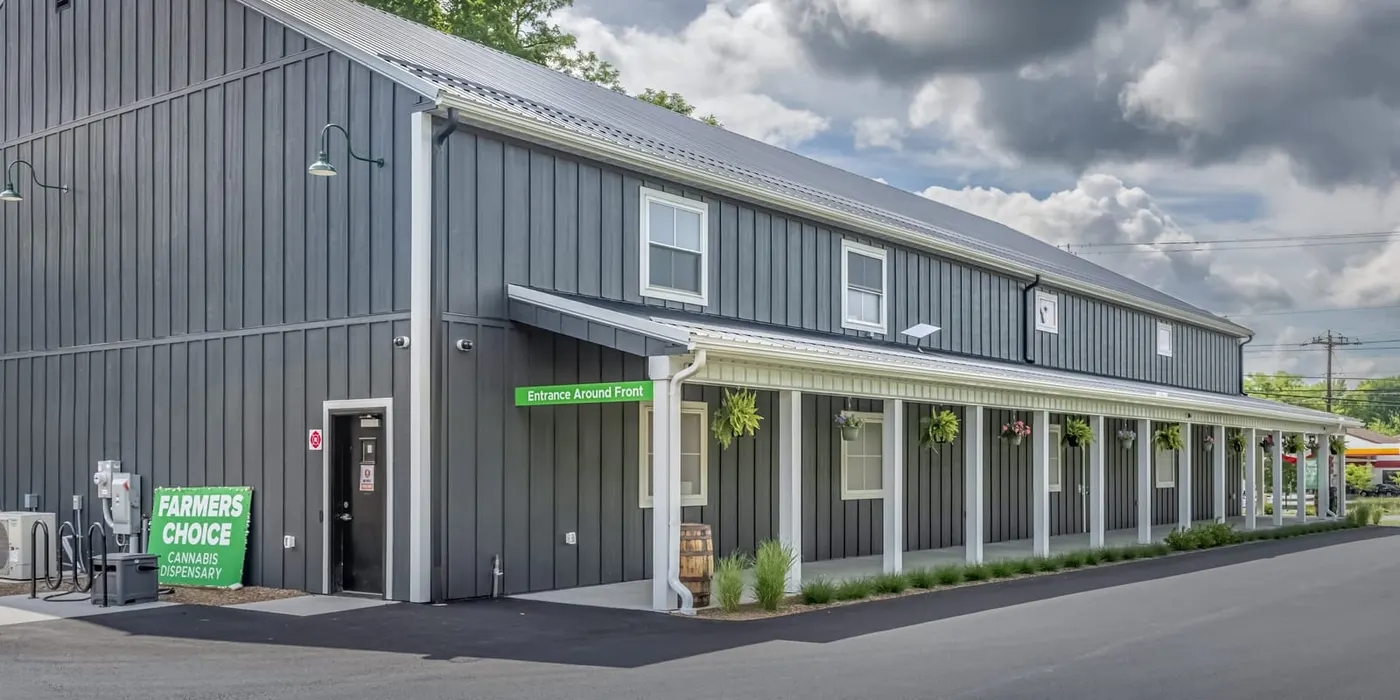
Start at Matteawan State Hospital for the Criminally Insane and head to Farmer's Choice at 18 Westage Drive, Fishkill, NY 12524.
Can CBD Cause Liver Damage? Who Is at Risk?
CBD has been linked to liver injury in some studies, particularly at high doses. The risk is higher in people with existing liver conditions or those taking medications that stress the liver.
| Risk Factor | Why It Matters | What to Do |
|---|---|---|
| High doses | Doses above 200 mg/day may increase liver enzyme levels. | Start with low doses and monitor liver function. |
| Liver disease | CBD can worsen existing liver damage. | Avoid CBD if you have liver disease. |
| Alcohol use | Alcohol and CBD both stress the liver. | Limit alcohol consumption while using CBD. |
| Other medications | Drugs that affect the liver can amplify CBD's effects. | Consult your doctor about potential interactions. |
If you have liver concerns, ask your doctor to test your liver enzymes before and during CBD use.
Why Don't Doctors Recommend CBD?
Many doctors are cautious about recommending CBD because of the lack of regulation and research. CBD products are not FDA-approved for most conditions, and their purity and potency can vary widely. This means you might not get the dose you expect, and there's a risk of contamination with THC or other substances.
Additionally, CBD can interact with many medications, and the full scope of its long-term effects is not yet known. Doctors often prefer to wait for more evidence before recommending it, especially for vulnerable populations like pregnant women, seniors, and those with chronic conditions.
How to Check if CBD Interacts with Your Medications
If you're taking any prescription or over-the-counter medications, here's how to safely check for interactions with CBD:
- List your medications: Write down all prescription drugs, supplements, and over-the-counter products you use.
- Consult your pharmacist: Pharmacists are experts in drug interactions and can review your list with CBD in mind.
- Use an online interaction checker: Some reputable websites offer drug interaction checkers, but always confirm with a professional.
- Talk to your doctor: Discuss your interest in CBD and ask if it's safe with your current medications.
- Start low and go slow: If you get the green light, start with a low dose and monitor for side effects.
Our team at Farmer's Choice can also provide general guidance, but medical advice should always come from your healthcare provider.
Is CBD Safe for Seniors? What to Consider
A good fit if…
- You are in good health and not taking multiple medications.
- You have discussed CBD use with your doctor.
- You start with low doses and monitor for side effects.
Consider another option if…
- You take blood thinners, sedatives, or heart medications.
- You have liver or kidney disease.
- You are prone to falls or dizziness.
Seniors often take multiple medications, which increases the risk of interactions. Always consult your doctor before trying CBD, and consider starting with a low dose to see how your body responds.
For details on services and visits, see the main page about cannabis dispensary fishkill.
Sources
Also asked as
- Who should not take CBD?
- What drugs should not be taken with CBD?
- Is CBD safe for everyone?
Frequently asked questions
Which medications should not be taken with CBD?
Blood thinners like warfarin, sedatives, seizure medications, thyroid treatments, and heart rhythm drugs can interact with CBD. CBD can alter how these drugs are metabolized, leading to increased side effects or reduced effectiveness.
Is CBD good for seniors?
CBD may help some seniors with pain or sleep, but it can interact with common medications. Seniors should consult their doctor first, especially if they take blood thinners or have liver conditions.
Why don't doctors recommend CBD?
Doctors are cautious because CBD products are not FDA-regulated, and there is limited research on long-term effects. Additionally, CBD can interact with many medications, and dosing is inconsistent across products.
Is there a downside to taking CBD?
Yes, CBD can cause side effects like drowsiness, dry mouth, low blood pressure, and diarrhea. It can also interact with medications and may affect liver function at high doses.
Is it bad to take CBD every day?
Daily CBD use is generally safe for healthy adults, but it can build up in the body and may affect liver enzymes over time. It's best to use the lowest effective dose and take breaks if needed.